Kagera, Tanzania – As Tanzania continues to strengthen its preparedness against emerging infectious diseases, Management and Development for Health (MDH) with support from the U.S. Centers for Disease Control and Prevention (CDC), has intensified efforts to build the capacity of frontline healthcare workers in Kagera Region to prevent, detect, and respond to Viral Hemorrhagic Fevers (VHFs), including Ebola Virus Disease and Marburg Virus Disease.
Working closely with the Ministry of Health, Regional and Council Health Management Teams (R/CHMTs), and health facility teams, MDH conducted supportive supervision and on-site mentorship across border health facilities to strengthen Infection Prevention and Control (IPC) systems in one of Tanzania's highest-risk regions for cross border disease transmission.
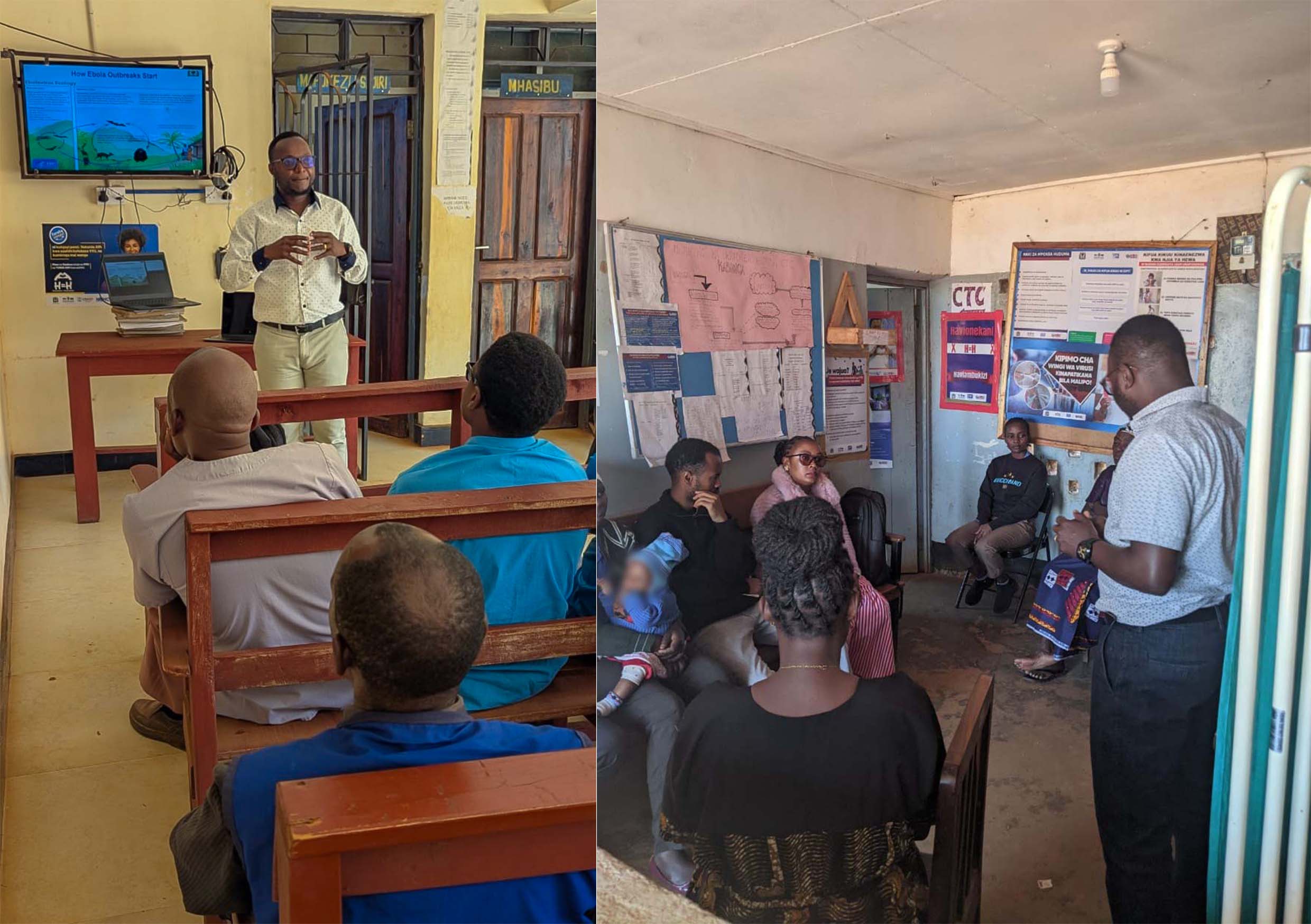
The supportive supervision was led by Dr. Emanuel Sarakikya, MDH Regional Program Manager for Kagera, who worked alongside Regional and Council Health Management Teams under the Ministry of Health guidance to provide technical guidance and ensure that health facilities were better equipped to manage potential VHF threats. The visits emphasized practical mentorship and continuous quality improvement to strengthen frontline preparedness.
Kagera Region borders Uganda, Rwanda, and Burundi, making it one of Tanzania's busiest cross-border corridors. While this facilitates trade and movement, it also increases the potential risk of importing epidemic-prone diseases. Strengthening preparedness at health facilities along these borders is therefore critical to protecting both healthcare workers and surrounding communities.
During the supportive visits, healthcare providers received practical mentorship on key Infection Prevention and Control measures, including early identification and triage of suspected VHF cases, standard precautions, hand hygiene, safe injection practices, environmental cleaning and disinfection, infectious waste management, specimen handling, isolation procedures, occupational safety, and compliance with national IPC guidelines. Teams also assessed the availability and functionality of critical IPC infrastructure such as hand hygiene stations, chlorine solutions, isolation areas, and waste management systems.
The intervention strengthened healthcare workers' knowledge, confidence, and readiness to identify suspected VHF cases and safely implement infection prevention measures. Health facilities also reinforced screening procedures at points of entry and strengthened routine adherence to standard IPC practices, enhancing their capacity to prevent healthcare-associated infections.
Speaking during the supportive supervision, Dr. Emanuel Sarakikya emphasized the importance of sustained preparedness in border regions.
"Preparedness is our strongest defence against public health emergencies. By strengthening Infection Prevention and Control practices and continuously building the capacity of frontline healthcare workers, we are protecting not only our health facilities but also the communities they serve. Collaboration between the Ministry of Health, regional authorities, development partners, and healthcare workers remains essential in safeguarding Tanzania's health security."
The initiative reflects the strong collaboration between the Ministry of Health, CDC, Regional and Council Health Management Teams, and MDH's Crisis Communication Response team in advancing Tanzania's health security agenda. By investing in frontline preparedness and strengthening Infection Prevention and Control systems, MDH continues to support Tanzania's efforts to protect healthcare workers, strengthen border surveillance, and build resilient communities, until everyone is healthy.