
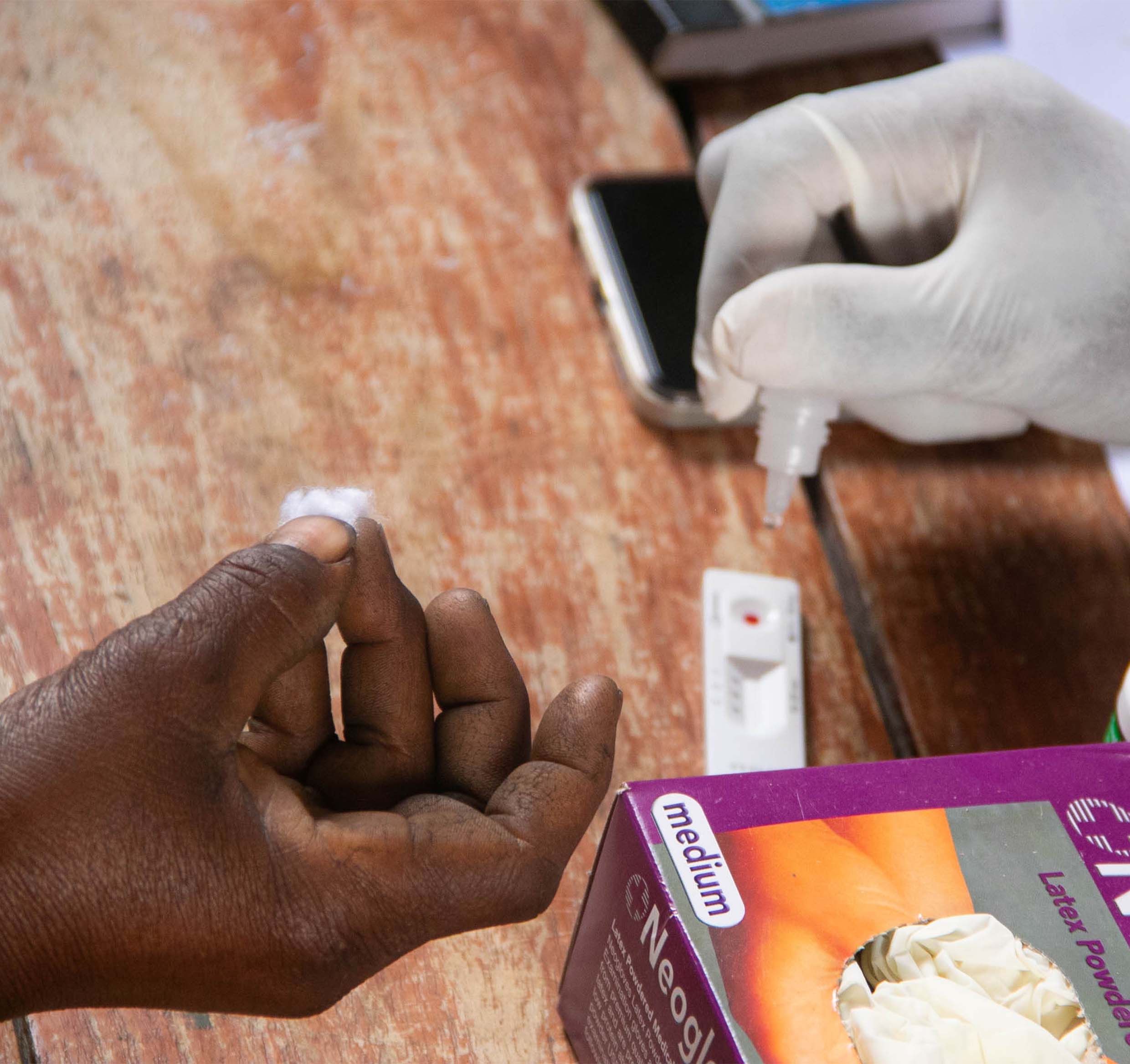
About the Project
NDOVU COHORT STUDY
Overview and Objectives
Ndovu is a multi-country prospective cohort study funded by the Gates Foundation, which, in Tanzania, is implemented jointly by MDH (sub-partner) and The Muhimbili University of Health and Allied Sciences (MUHAS) (lead). The study aims to assess viral suppression among people living with HIV on dolutegravir (DTG)-based first-line ART who have sustained viremia (≥1,000 copies/ml) after at least six months of treatment.
The study will enrol 6,600 participants in Kenya, Mozambique, Tanzania, and Lesotho and follow them for 12 months. Participants will receive standardised enhanced adherence counselling (EAC), with viral load testing conducted every three months. The primary outcome is viral suppression (HIV-1 RNA < 200 copies/ml). Suppression durability will be assessed for up to 24 months using routine program data.
The study also examines predictors of suppression, emergence of DTG-associated drug resistance mutations, and clinical outcomes. Findings will provide critical evidence to inform management of suspected DTG treatment failures and guide policies on switching to second-line regimens.
Participants receiving HIV at designated study sites will undergo viral load testing upon enrollment and every three months for up to 12 months if they do not achieve viral suppression (<200 copies/mL s/ml). Those who achieve suppression will have repeat viral load tests after three months, with routine program data (viral load, loss of follow-up, and death) collected 12–24 months post-enrollment to assess the durability of suppression.
Participants will also be evaluated for eligibility to enrol in a nested randomised clinical trial (NDOVU RCT), focusing on the management of DTG-associated drug resistance mutations (DRMs).
Primary study objective:
To assess the viral suppression rate following enhanced adherence counselling among people on DTG-based ART who have viremia (≥ 1000 copies/ml) after at least six months on ART.
Secondary Objectives:
To determine the time to viral suppression to HIV-1 RNA < 200 copies/ml.
· To evaluate the durability of suppression at 3 months from the first VL < 200copies/ml and after 12-24 months after enrolment
· To quantify the incidence of treatment-emergent DRT
MDH Role.
· Identification of study participants who meet the inclusion criteria and ensuring that the recruitment process adheres to the study protocols and ethical guidelines.
· Handling of samples and laboratory testing by ensuring optimal sample transportation, tests as specified in the protocol and dispatching test results within the agreed turnaround time.
Activities and Achievements
During the reporting period, the project was finalised, and the MoU was signed with MUHAS. Key activities included the identification of 617 eligible clients through the CTC2 database, with the list shared with the study team at Makuti to support recruitment and enrolment. In collaboration with CTC staff, peers were also identified to introduce eligible clients to the study and link them to the Makuti clinical trial for enrolment. In addition, participants' samples collected at the Makuti clinical unit were transported to the Temeke laboratory, where storage and testing were conducted in accordance with Good Clinical Practice standards.
Challenges, Mitigation Strategies and Lessons Learned.
Implementation challenges included outdated or missing contact information for eligible participants, competing responsibilities among peer supporters at the sites, and slowed enrolment activities following post-general-election unrest in October and December 2025. These were addressed by strengthening collaboration with CTC staff, using peers to trace participants where feasible, improving scheduling and supervision of peer activities, adjusting enrolment timelines, rescheduling visits, and expanding recruitment sites. Key lessons learned were the importance of updating contact information, clear coordination of peers' roles, flexible timelines, and strong site-level communication
Looking ahead to 2026
The study will focus on completing the recruitment and enrolment of 900 study participants while continuing to recruit eligible participants for the clinical trial. Emphasis will also be placed on ensuring timely collection of viral load and drug resistance testing samples in accordance with the testing schedule. In addition, efforts will be strengthened to ensure that laboratory results are delivered promptly to the trial unit to support patient management and achievement of the study objectives
Key Figures
Other Projects
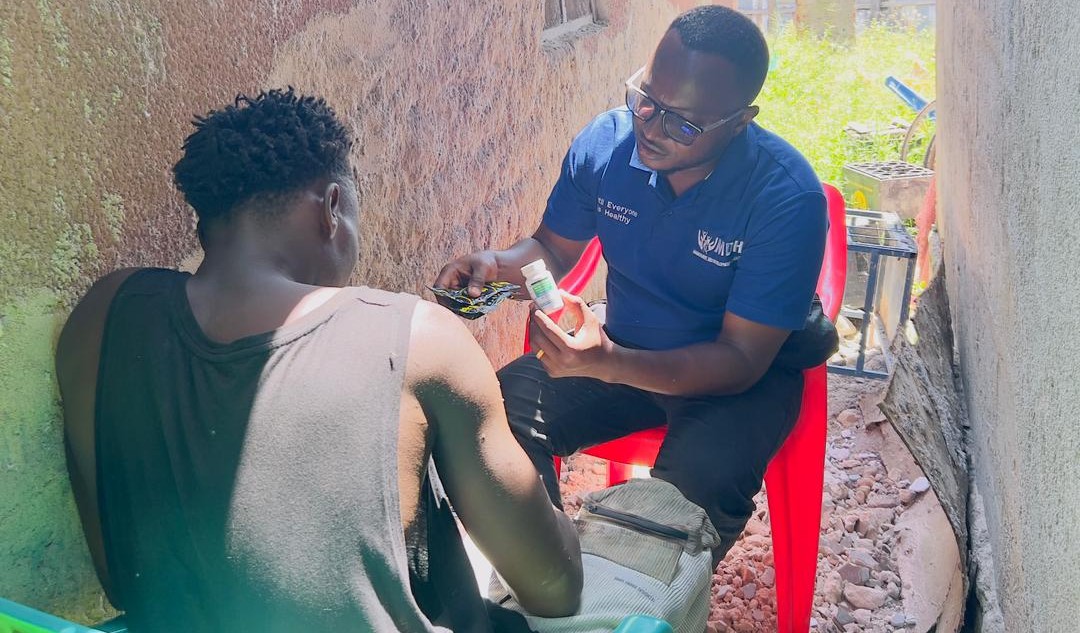
Afya Jumuishi Project
A five-year initiative providing comprehensive HIV and TB prevention, care and treatment services.
View project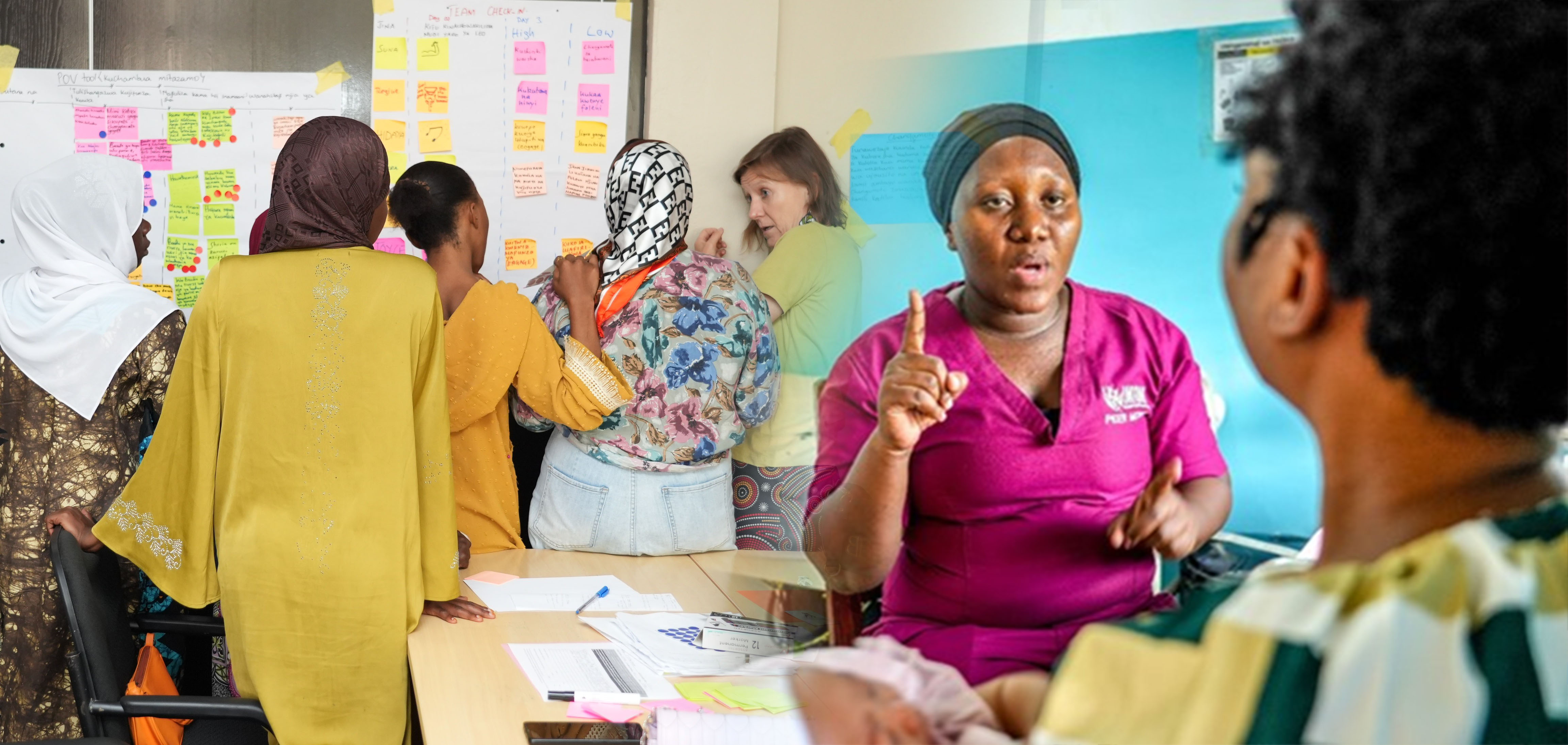
ENGAGE Project
Is a four-year research project to improve health outcomes among adolescent girls and young women (AGYW) livin...
View project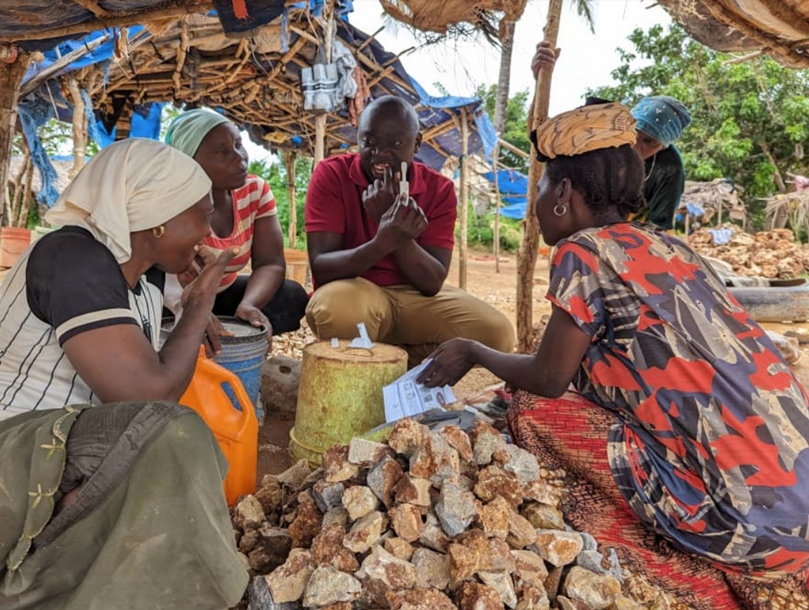
Afya Yangu Southern Project
It aims at supporting the GOT, MOH and the PORALG in tackling HIV and TB epidemics. It is implemented to deli...
View project