About the Project
MDH CLUBFOOT PROJECT
Project Operations
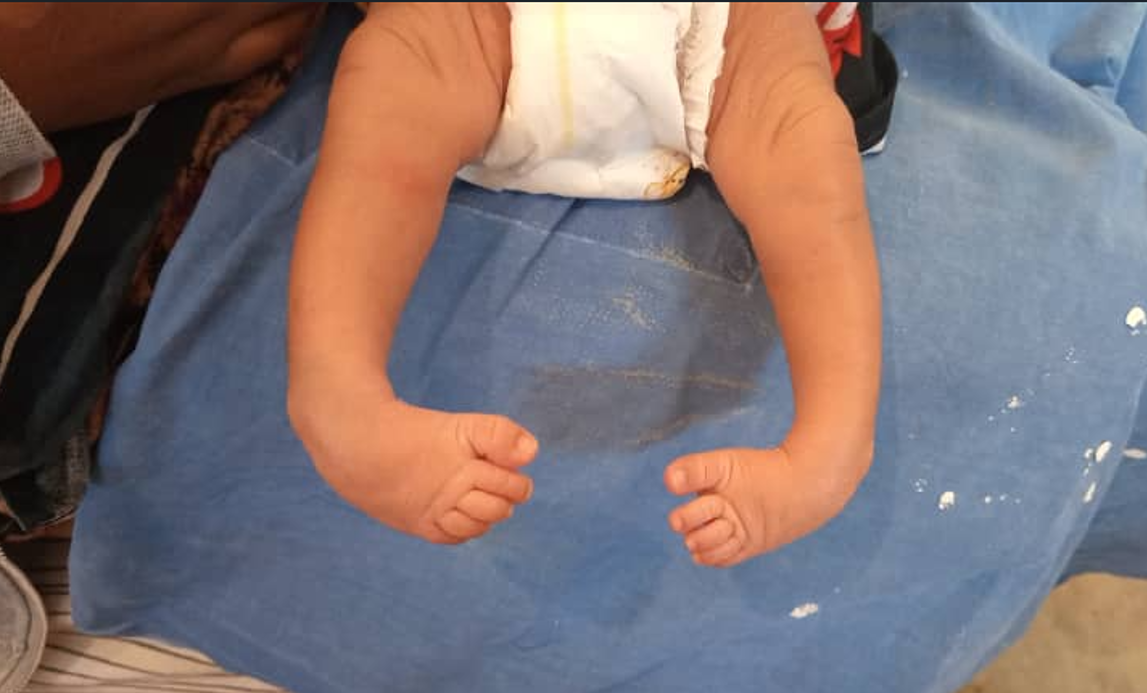
MDH received funding from Miracle Feet, a USA-based NGO, to support clubfoot treatment in Tanzania mainland and Zanzibar. The project operates in 4 main zones, which are: Northern Zone, Lake and Central Zone, Southern Highlands Zone, and Coastal Zone.
The MDH clubfoot project activities:
• Fact-finding mission. The project team identifies a potential clubfoot provider and visits them, intending to establish a relationship which will eventually result in a new clubfoot clinic if the partner meets the criteria to have a clubfoot clinic.
• Supportive supervision. The senior and well-trained team of supervisors visits the clubfoot clinics quarterly to assess the service provision as well as the quality of the services provided. They also conduct on-the-job training to improve the technical skills of the providers.
• Data collection. The clubfoot clinics collect data using mobile phones with the application called CommCare. The data is collected centrally and used for decision-making.
• Collaborations with stakeholders. The clubfoot project collaborates with other stakeholders treating clubfoot to utilise its potential and reach more patients.
• Trainings- The project conducts several trainings including Basic Ponseti Course a two (2) days training for providers, Advance Ponseti Course a two (2) days training for providers, Supportive supervision training- two days training, CAST training both basic and refresher trainings 2 days each, Ponseti refresher training a two days training, tenotomy trainings for medical doctors and Train the Trainer courses to prepare new trainers for the project.
• Provision of treatment supplies. The project provides treatment supplies to the partner clinics, including plaster of Paris (POP), cotton wool, fibre casts, tenotomy equipment, i.e. syringe, lignocaine, povidone and surgical blades.
• Awareness raising- the project conducts several activities to raise awareness in the community, including early detection and referrals by supported clinics to non-supported hospitals, use of media- radio, TV, social media pages, village meetings.
• Advocacy at different levels- the project works hand in hand with the government to ensure integration of clubfoot into the national health system.
• Support for other clubfoot clinics in African countries. The Tanzania project is well positioned to support other African countries by providing technical expertise to establish their own national projects.
The main goal of the project is:
To ensure children born with clubfoot receive quality and timely care
Scope - program areas the projects supports/implements
- Community Sensitisation & Demand creation through media campaigns, early detection and referral workshops, community awareness-raising campaigns, and community health care workers engagement.
- Procurement and distribution of treatment supplies
- Capacity building through training, technical oversight, Supportive supervision, and monitoring and evaluation.
- Advocacy and integration of Clubfoot treatment in routine care
Project objectives.
• To support the enrollment of 1903 new clubfoot patients
• To capacitate 176 healthcare providers on the treatment of clubfoot.
• To integrate clubfoot care indicators into Tanzania's existing Health Management Information System (HMIS)
• To implement rigorous safeguarding measures and uphold the safety and well-being of children in clubfoot treatment
Partnerships.
The project Partners with other NGOs, including;
· Usariver Rehabilitation Centre- URRC through a sub-granting agreement.
· Danish Refugee Council (DRC) is supporting Nduta and Nyarugusu Refugee camps in Kigoma.
· Public Hospitals in both Tanzania mainland and Zanzibar
· Faith based organizations/ hospitals
How the project works with partners;
· The project conducts a fact-finding mission to assess the status of the hospitals in service provision.
· A report is prepared with recommendations based on the findings
· Feedback is shared with the hospital management
· Basic Ponseti training is conducted
· Data collection training is conducted
· For private institutions, a 1-year MOU is signed with the program
· For public institutions, one MOU with the government is signed.
· Treatment supplies are provided to the hospitals.
· Quarterly joint supportive supervision visits are conducted.
Targets;
The project operates on quarterly and annual targets set at the beginning of the fiscal year. Each clinic and zone is given its targets, which they work on. To achieve the set targets, a clinic must be supported in awareness raising, early detection, and referrals so as to reach out to the community and enrol more patients.
Key Figures
Regional Coverage
This project operates across the whole of Tanzania.
All Regions
Other Projects
NDOVU Cohort Study
Ndovu is a multi-country prospective cohort study funded by the Gates Foundation, which in Tanzania, is implem...
View project
Afya Jumuishi Project
A five-year initiative providing comprehensive HIV and TB prevention, care and treatment services.
View project
ENGAGE Project
Is a four-year research project to improve health outcomes among adolescent girls and young women (AGYW) livin...
View project