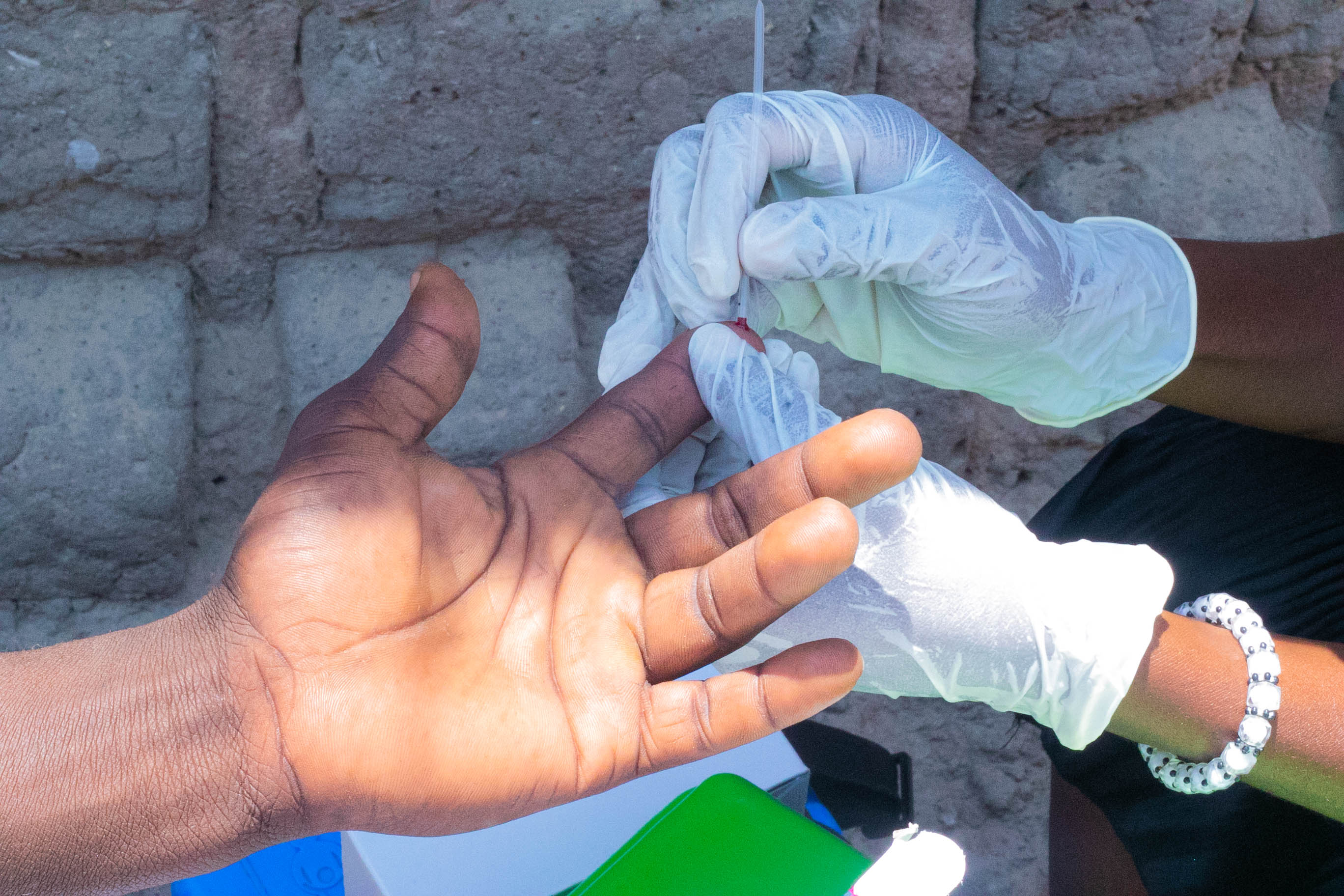
Quality health services are at the heart of MDH's mission to improve the health and well-being of Tanzanians. In partnership with the Government of Tanzania, development partners, and local communities, MDH delivers integrated, evidence-based health interventions that strengthen health systems while expanding access to life saving services. Our comprehensive approach ensures that individuals and communities receive quality care across the continuum of prevention, diagnosis, treatment, rehabilitation, and long term follow-up.
HIV/AIDS Care and Treatment
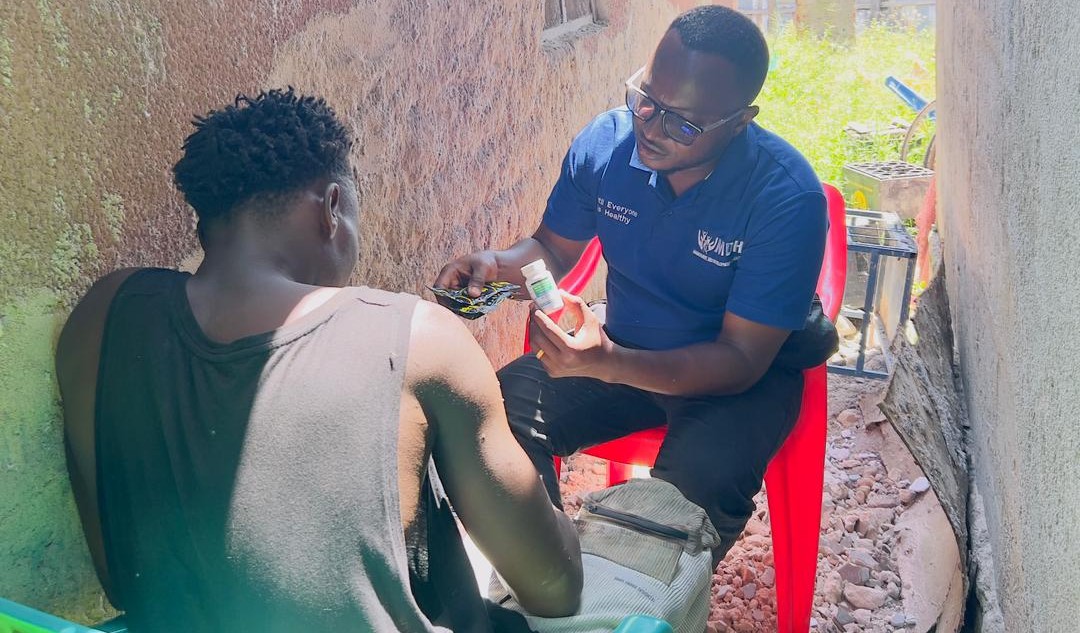
MDH is one of Tanzania's leading implementing partners in the national HIV response, supporting comprehensive HIV prevention, care, treatment, and viral load suppression services across multiple regions. Working closely with the Ministry of Health, the National AIDS Control Programme (NACP), Regional and Council Health Management Teams, and healthcare facilities, MDH strengthens the delivery of person centred HIV services through HIV testing, linkage to care, antiretroviral therapy (ART), viral load monitoring, differentiated service delivery, advanced HIV disease management, prevention of mother to child transmission (PMTCT), paediatric and adolescent HIV care, retention in care, and community-based interventions. These efforts have contributed significantly to achieving national HIV epidemic control targets and improving the quality of life for people living with HIV.
Tuberculosis and Integrated Disease Management
MDH integrates tuberculosis screening, diagnosis, treatment, and preventive therapy within HIV and primary healthcare services to improve early case detection, treatment outcomes, and infection prevention and control. We also support surveillance and response systems for emerging and re-emerging infectious diseases, strengthening Tanzania's capacity to detect and respond to public health threats.
Maternal, Newborn, Child, and Adolescent Health
MDH supports the delivery of high-quality reproductive, maternal, newborn, child, and adolescent health (RMNCAH) services through capacity building, mentorship, quality improvement, and strengthened referral systems. Our interventions enhance antenatal, delivery, postnatal, newborn, immunization, nutrition, and family planning services, contributing to healthier mothers, children, and adolescents.
Laboratory and Diagnostic Services
Reliable diagnostics are essential for effective healthcare. MDH strengthens laboratory systems by supporting advanced diagnostic technologies, quality management systems, biosafety and biosecurity, specimen referral networks, and workforce development to improve diagnosis and patient management for HIV, tuberculosis, emerging infectious diseases, and other priority health conditions.
Digital Health and Health Information Systems
MDH leverages digital innovations to improve healthcare delivery through electronic medical records, laboratory information systems, data quality improvement, and real time data use for clinical and programmatic decision making. These investments enhance efficiency, continuity of care, and accountability across supported health facilities.
Health Workforce and Quality Improvement
A strong health workforce is fundamental to quality service delivery. MDH strengthens healthcare providers' competencies through continuous professional development, mentorship, supportive supervision, and quality improvement initiatives that enhance patient safety, clinical performance, and adherence to national standards of care.
Building Resilient Health Services
MDH's service delivery model integrates HIV/AIDS, tuberculosis, RMNCAH, laboratory services, nutrition, disease surveillance, digital health, and health systems strengthening to provide comprehensive and sustainable healthcare solutions. By aligning our work with national priorities and empowering healthcare workers and institutions, we help build resilient health systems that improve health outcomes, expand equitable access to quality services, and accelerate Tanzania's progress toward Universal Health Coverage. Together with our partners, we remain committed to ensuring that every community has access to the quality healthcare it deserves.
As MDH continues to respond to Tanzania's evolving health needs, we remain committed to delivering innovative, integrated, and people centred health services that leave no one behind. By strengthening healthcare systems, empowering health workers, leveraging data and technology, and working hand in hand with the Government of Tanzania, communities, and development partners, we are improving health outcomes today while building a stronger, more resilient health system for future generations.
Projects Under This Program
Afya Jumuishi Project
A five-year initiative providing comprehensive HIV and TB prevention, care and treatment s...
View project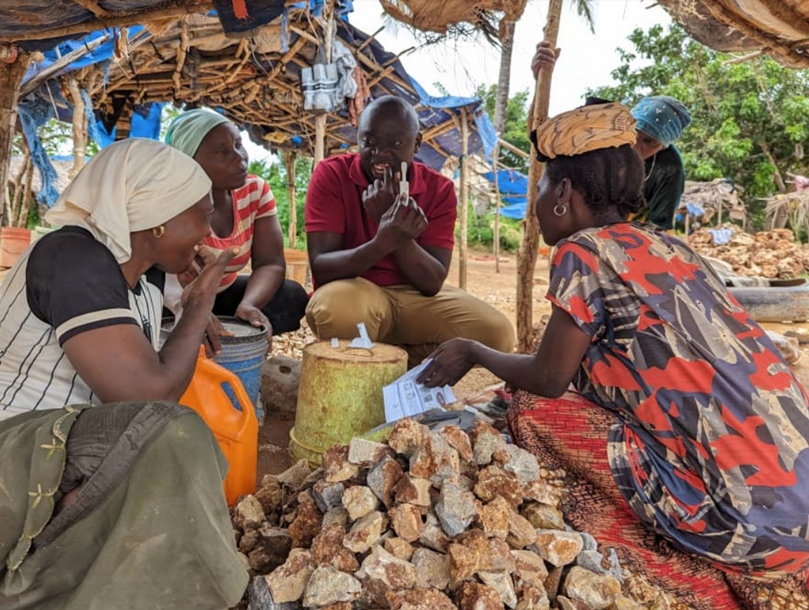
Afya Yangu Southern Project
It aims at supporting the GOT, MOH and the PORALG in tackling HIV and TB epidemics. It is...
View project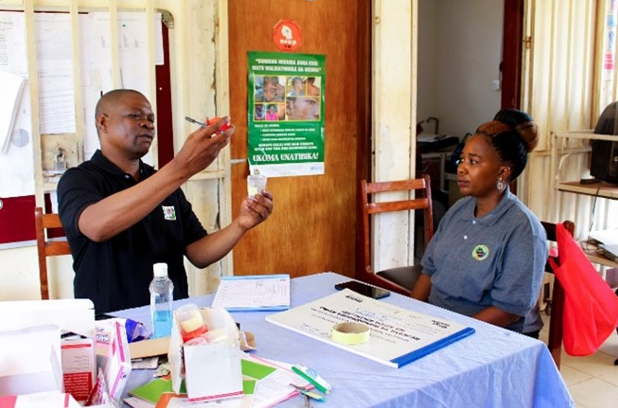
MDH Global Fund Cycle 7
This is a three-year national initiative to support the Government of Tanzania in combatin...
View project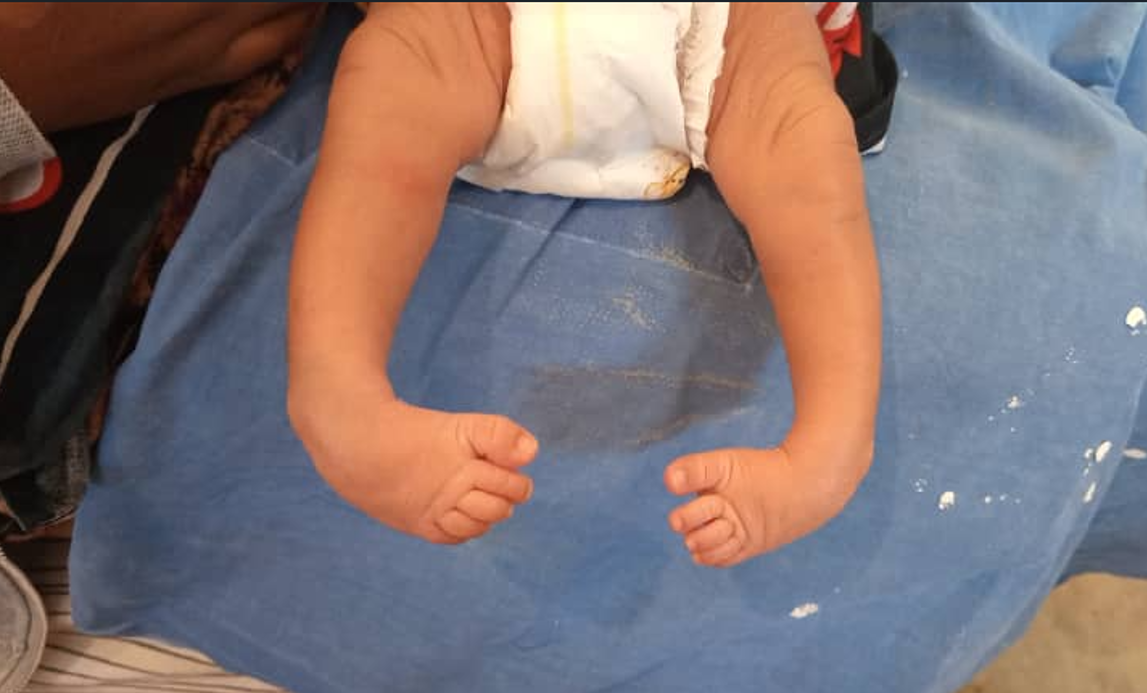
Clubfoot Project
The Tanzania Clubfoot Program aims to provide access to timely and effective treatment of...
View project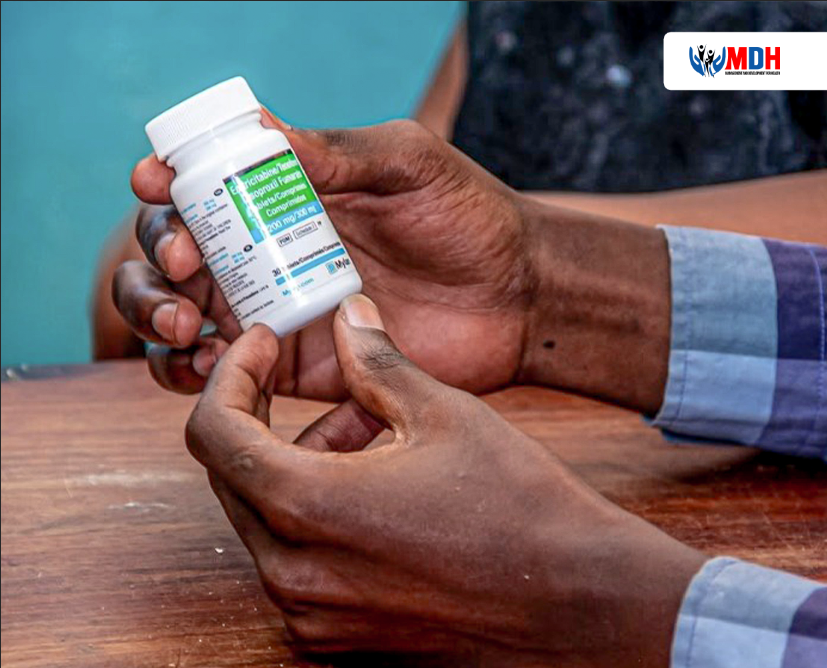
Afya Kwanza
This project based in facility and community-based HIV prevention, care and treatment. The...
View project
Global Fund Community TB Project
MDH’s Global Fund cycle 6 Community TB was a three years (2021-2023) project funded by the...
View projectRelated Programs
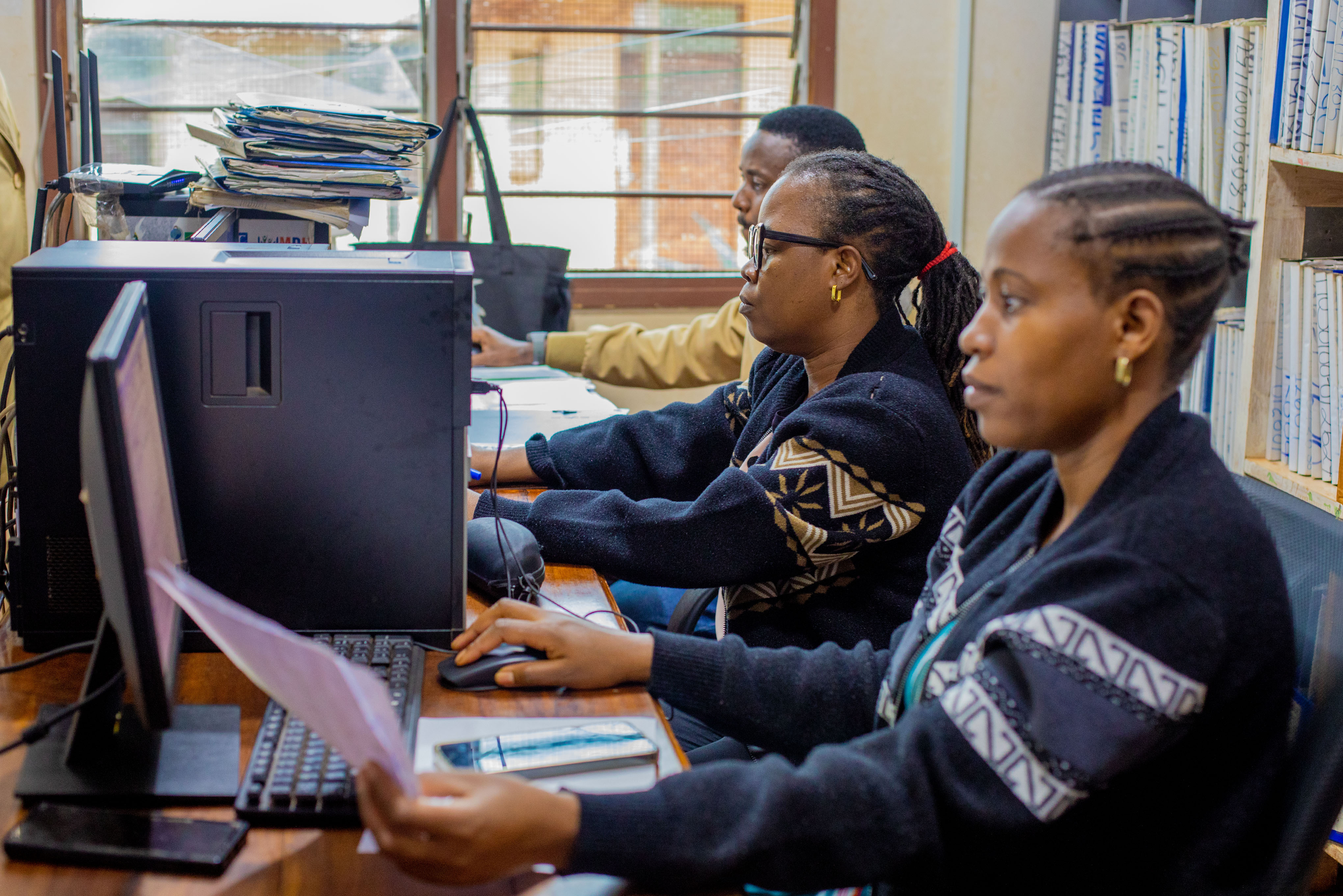
Health System Strengthening
MDH strengthens Tanzania's health system by partnering with the Government and development partners to improve the quality, accessibility, and sustainability of healthcare through stronger leadership, a skilled workforce, quality improvement, digital innovation, and evidence-based solutions.
Learn More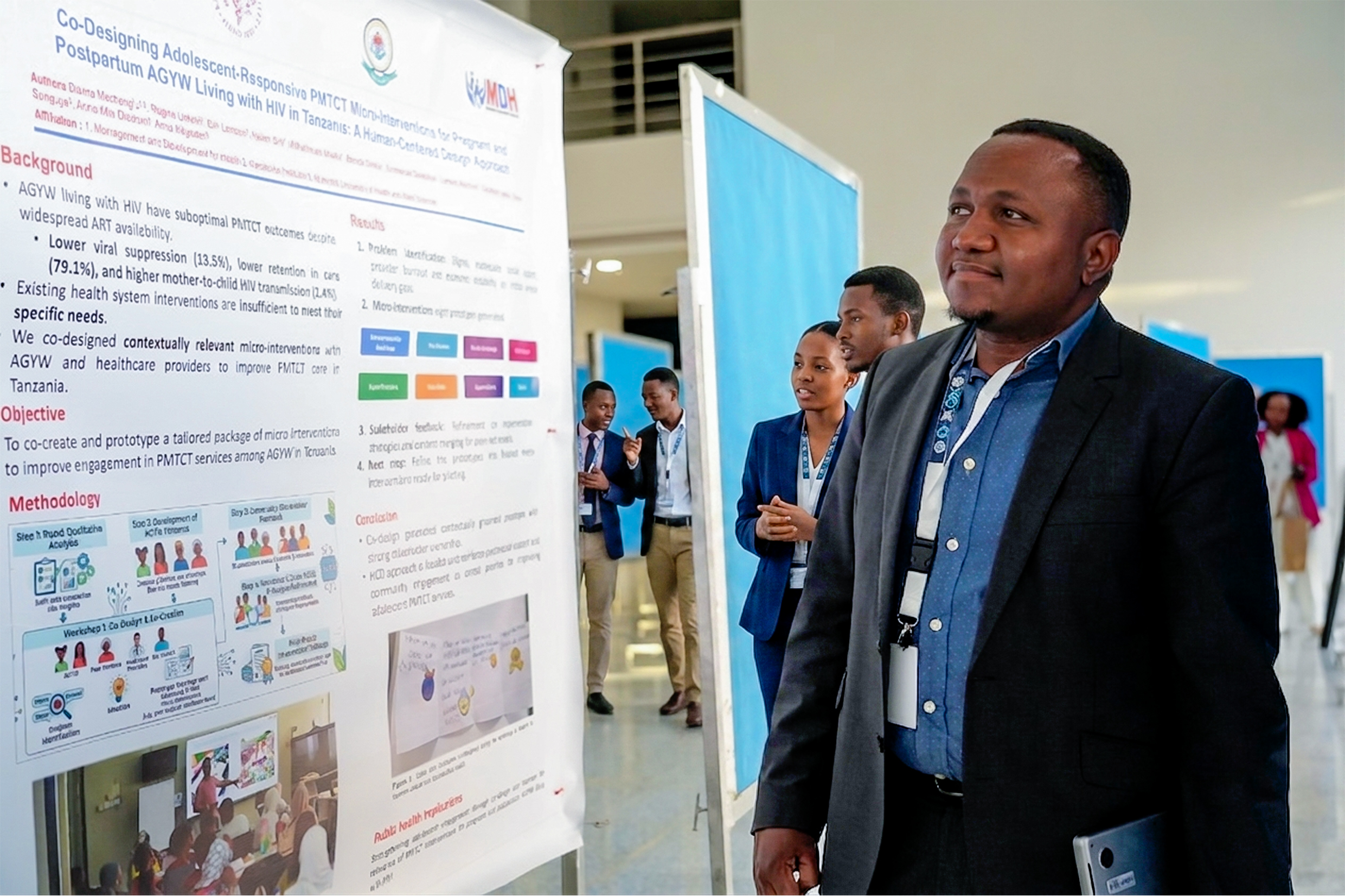
Research
MDH advances public health through research and implementation science, generating evidence that strengthens health systems, improves healthcare delivery, and informs policy. Through strategic partnerships and innovative research, we translate evidence into practical solutions that improve health outcomes for communities across Tanzania.
Learn More