
About the Project
Project Overview
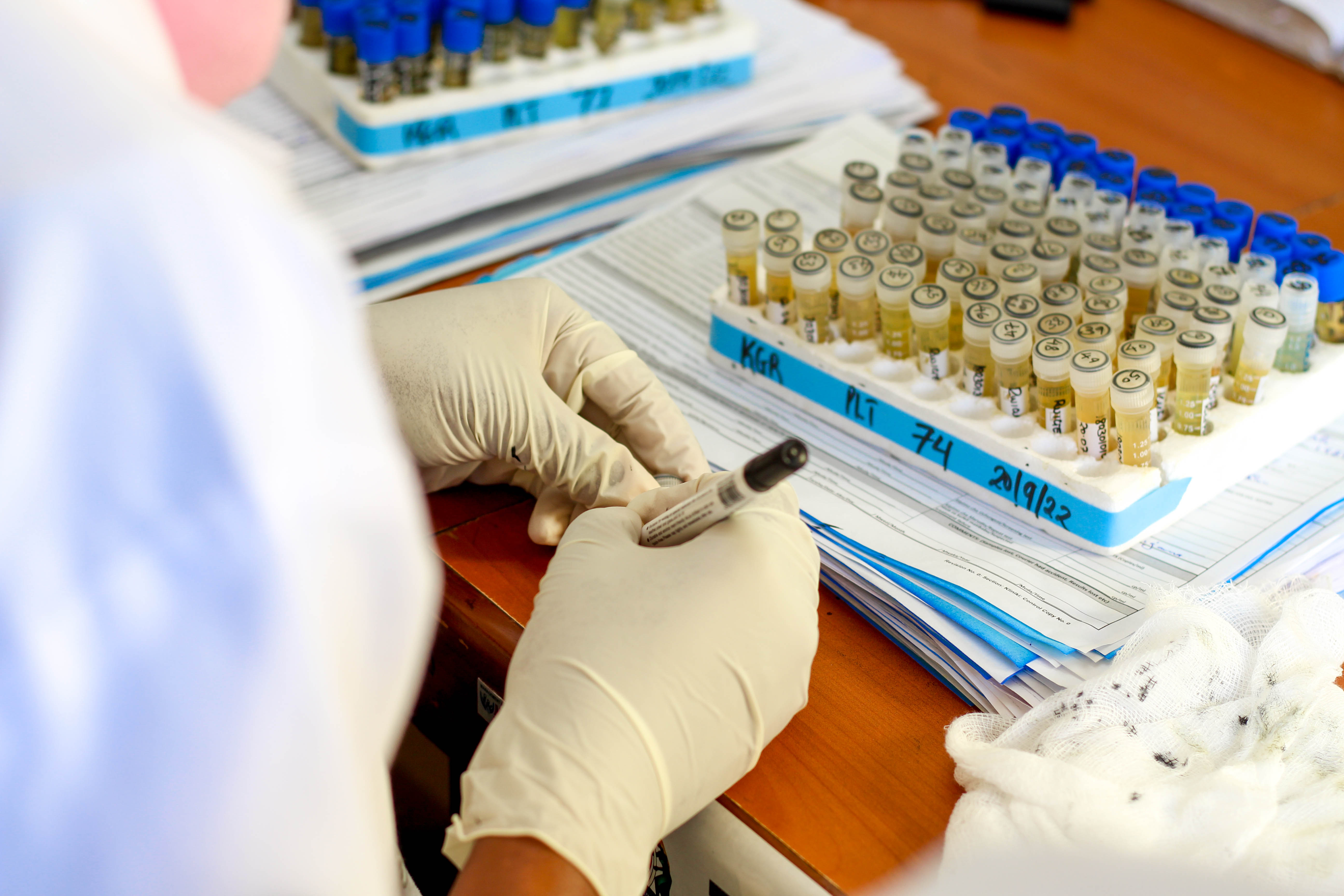
The National Health Laboratory Systems Strengthening (NHLS) was a 5-year (2018–2023) project which aimed at strengthening the quality, accessibility and sustainability of laboratory services in Tanzania. This project was funded by US PEPFAR through CDC Tanzania. The NHLS project facilitated the implementation of the PEPFAR goal by ensuring the laboratory services at all levels of the national health system contribute significantly in reaching and monitoring progress towards the UNAIDS 95-95-95 target in collaboration with the PORALG, MoH and its associate institutions, and implementing partners. The project was implemented throughout Tanzania (Mainland and Zanzibar), covering all 31 regions. The NHLS project closed out on 29th September 2023, after the successful completion of the five years, and paved the way for a new five-year (2023-2028) PEPFAR/ CDC funded Laboratory for Health (Lab4Health) project with a similar scope and coverage, which commenced on 30th September 2023.
Scope of Work
Scope of Work
· HIV viral load (HVL) and HIV early infant diagnosis (HEID): Expanding the coverage of patients on ART being monitored with HVL tests in 100% of HFs and early HIV testing of babies born to women with HIV (HEID) to cover 100% of HFs. This is through enhancing the capacity, timeliness and accuracy to test HVL and HEID.
· Laboratory Sample Referral: Scaling up the implementation of the national laboratory sample referral and transport network in all councils using the hub-and-spoke model and enhancing data management using an electronic information system.
· TB Diagnosis and biosafety: Improving quality, utilisation and access to TB molecular diagnostics, specifically GeneXpert; enhancing Laboratory safety, which involves biosafety cabinet certification and effective management of wastes for VL/EID/TB laboratory tests.
· Quality assurance in laboratory tests (EQA/PT): Scale up and improve the use of the PT/EQA program to monitor the quality of laboratory tests, including blood transfusion services.
· International recognition of Laboratory services (SLMTA & Accreditation): Implement and provide TA on the quality management system (QMS) for laboratory accreditation through ISO 15189 and the SLMTA program
· HIV Rapid Testing Continuous Quality Improvement (RTCQI): Expand continuous quality improvement activities to ensure the quality of HIV rapid testing through the certification of non-lab testers and testing points
· Genetic Sequencing and Surveillance: Enhancing laboratory capacity to detect, respond to, and prevent drug resistance, emerging and re-emerging diseases of public health interest, and providing laboratory technical assistance in implementing HIV recency surveillance and establishing capacity for DNA tests to diagnose Human Papillomavirus (HPV)
· Laboratory ECHO: To provide a virtual mentoring/training program to enhance skills and quality in HIV/TB diagnosis
· Laboratory data reporting and use: To improve standardised reporting quality and use of laboratory data
Key Figures
Regional Coverage
This project operates across the whole of Tanzania.
All Regions
Other Projects
NDOVU Cohort Study
Ndovu is a multi-country prospective cohort study funded by the Gates Foundation, which in Tanzania, is implem...
View project
Afya Jumuishi Project
A five-year initiative providing comprehensive HIV and TB prevention, care and treatment services.
View project
ENGAGE Project
Is a four-year research project to improve health outcomes among adolescent girls and young women (AGYW) livin...
View project